
 Specialty Casters
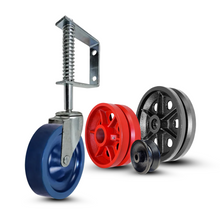 Gate Casters
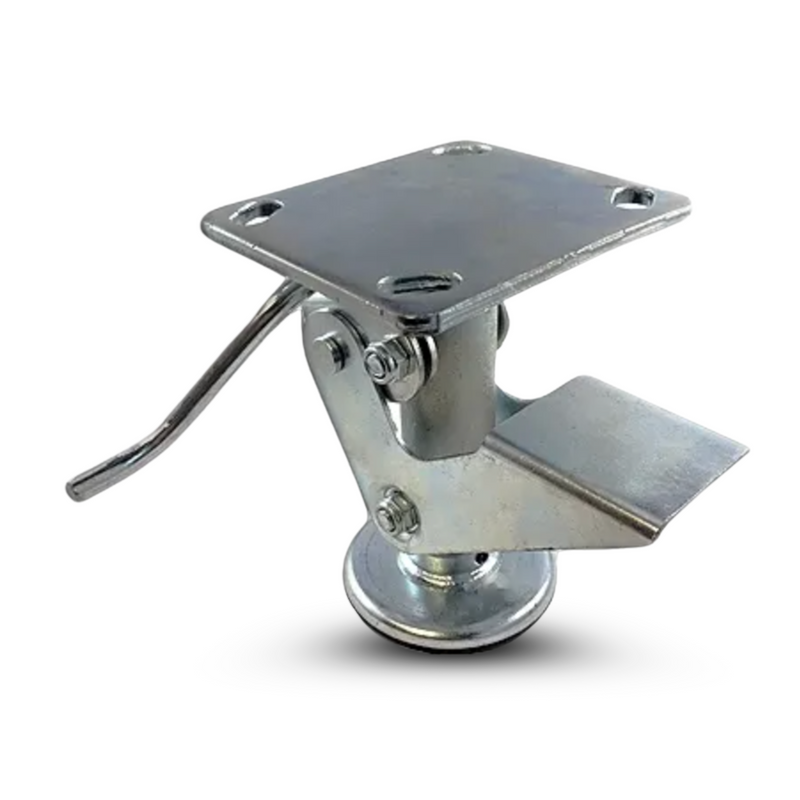
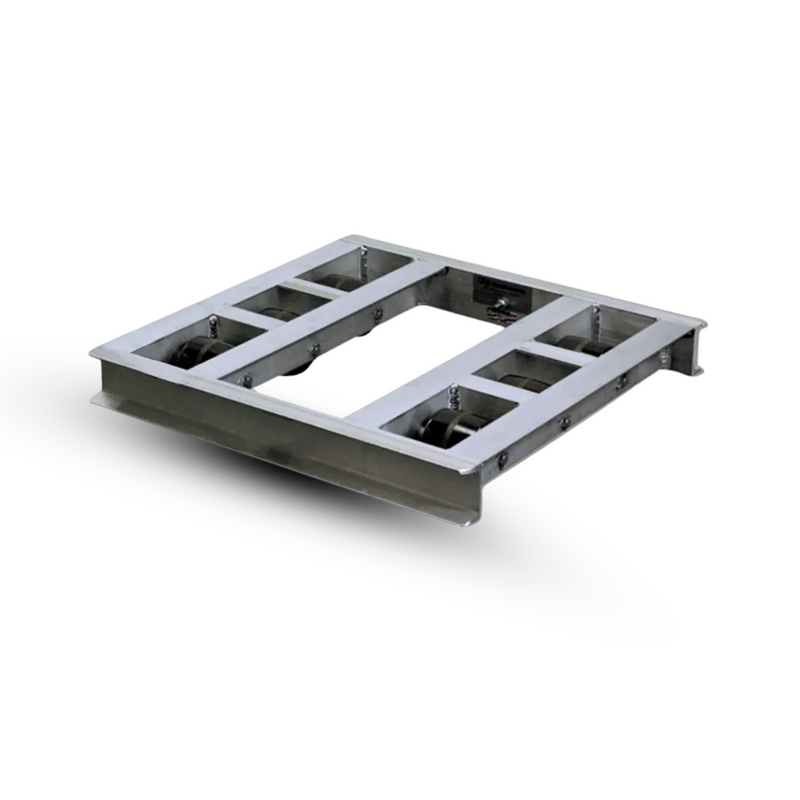
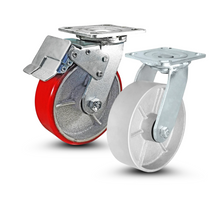 BBQ Pit & Smoker Casters
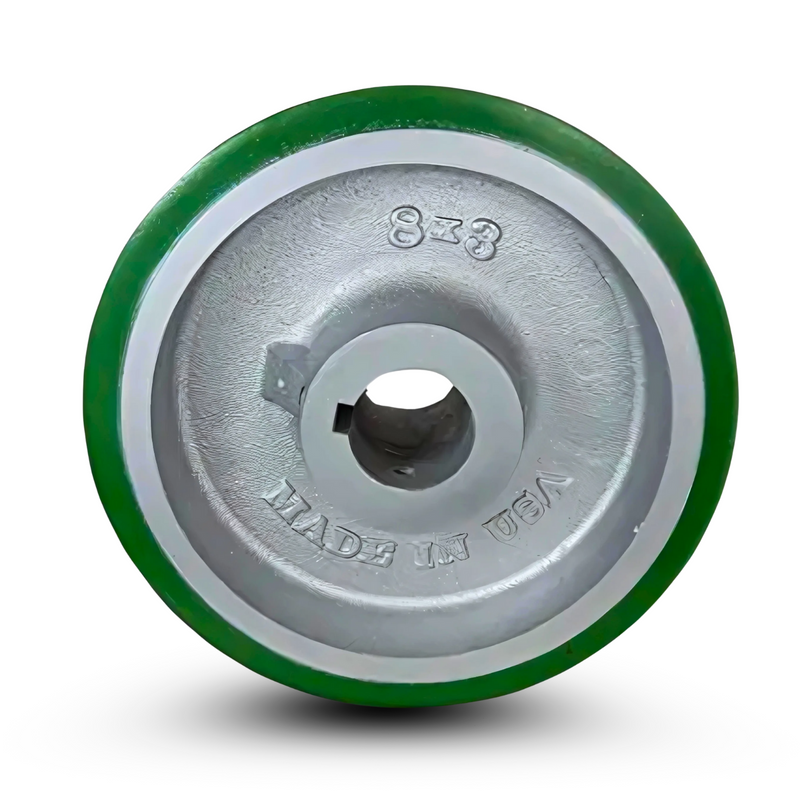
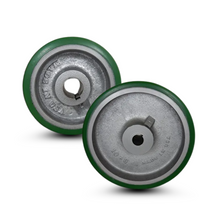 Keyed Drive Wheels
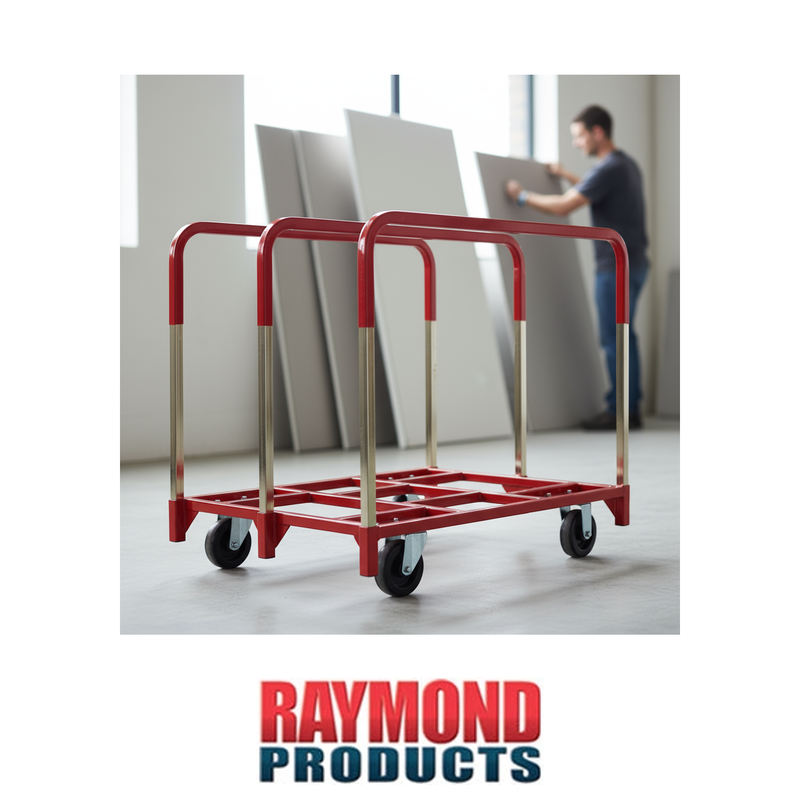
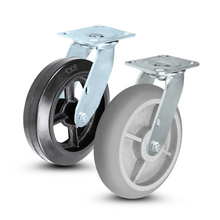 Drywall Cart Casters
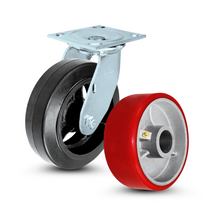 Skid Wheels & Casters for RVs
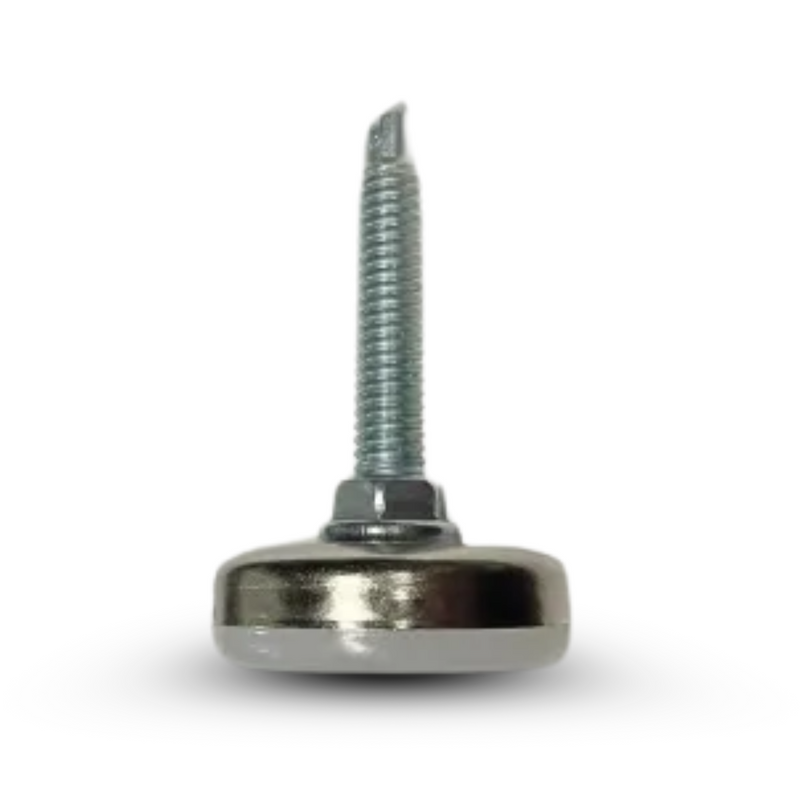
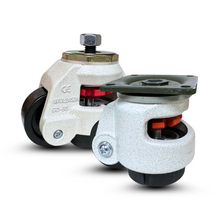 Leveling Casters
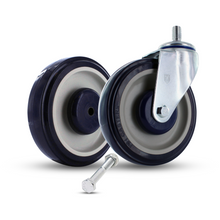 Shopping Cart Wheels & Casters
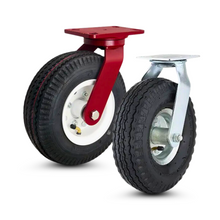 Band Equipment Casters & Wheels
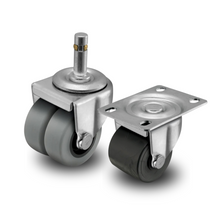 Low Profile Casters
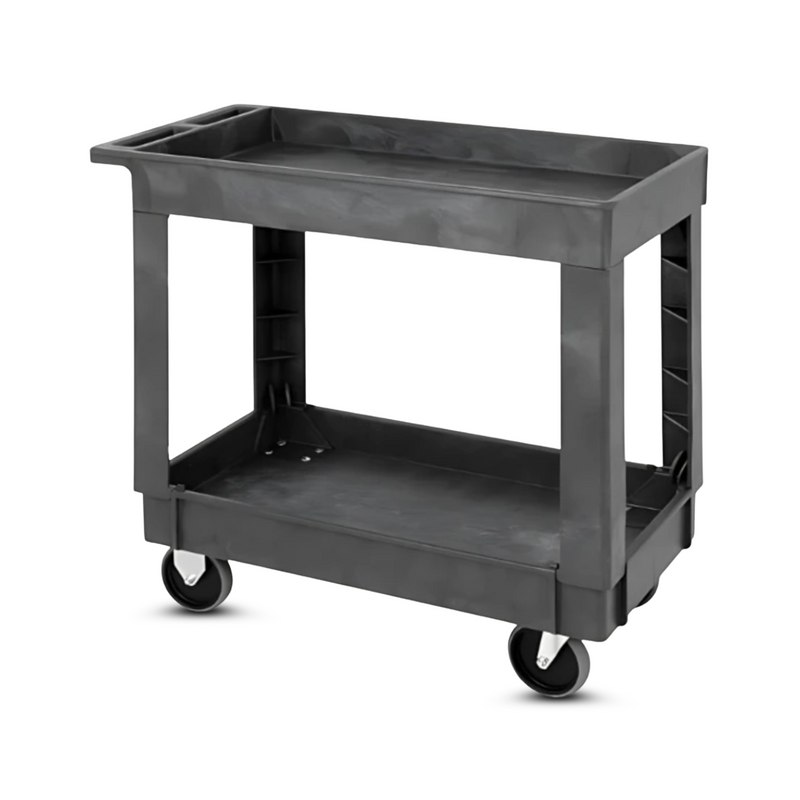
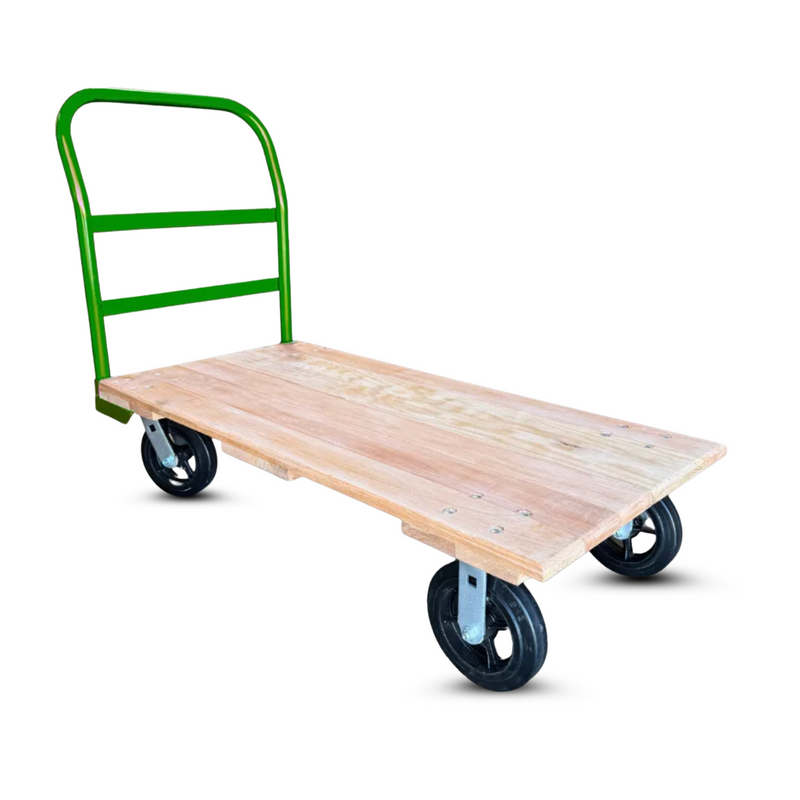
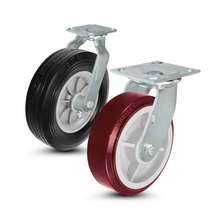 Cart Wheels & Casters
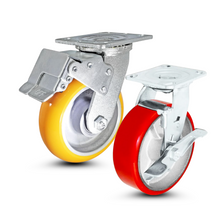 Toolbox Caster Sets
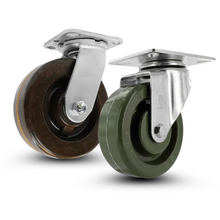 Bakery & High Temperature Casters
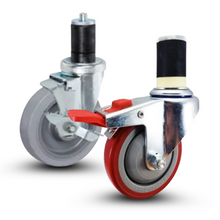 Kitchen Prep Table Caster Sets
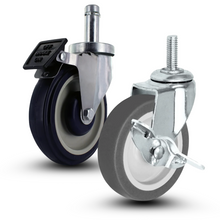 Wire Shelving Casters
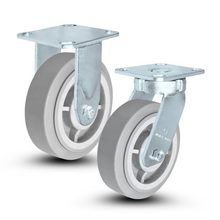 Silent Glide Casters










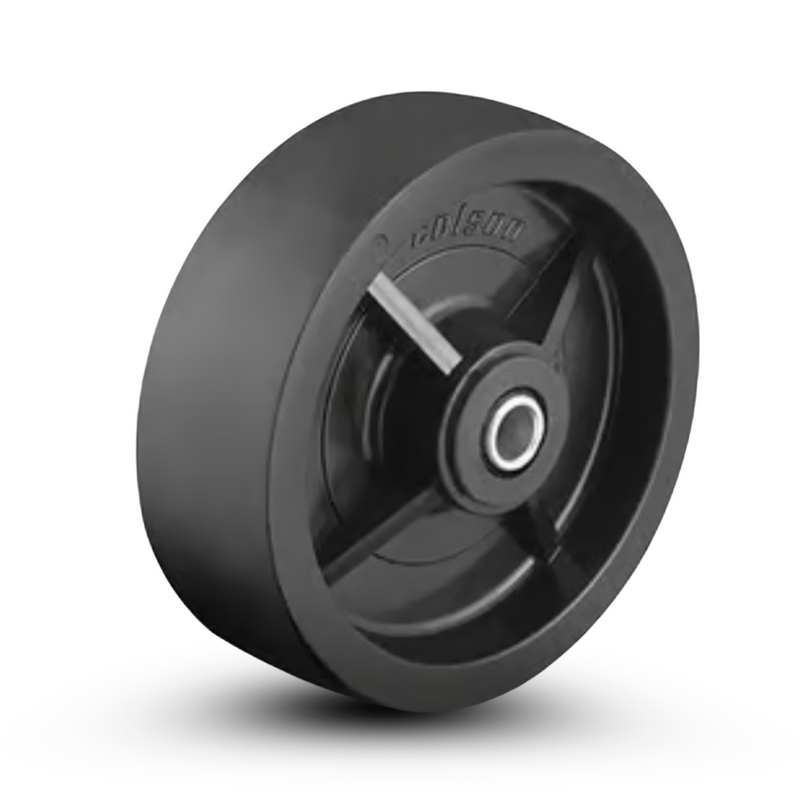
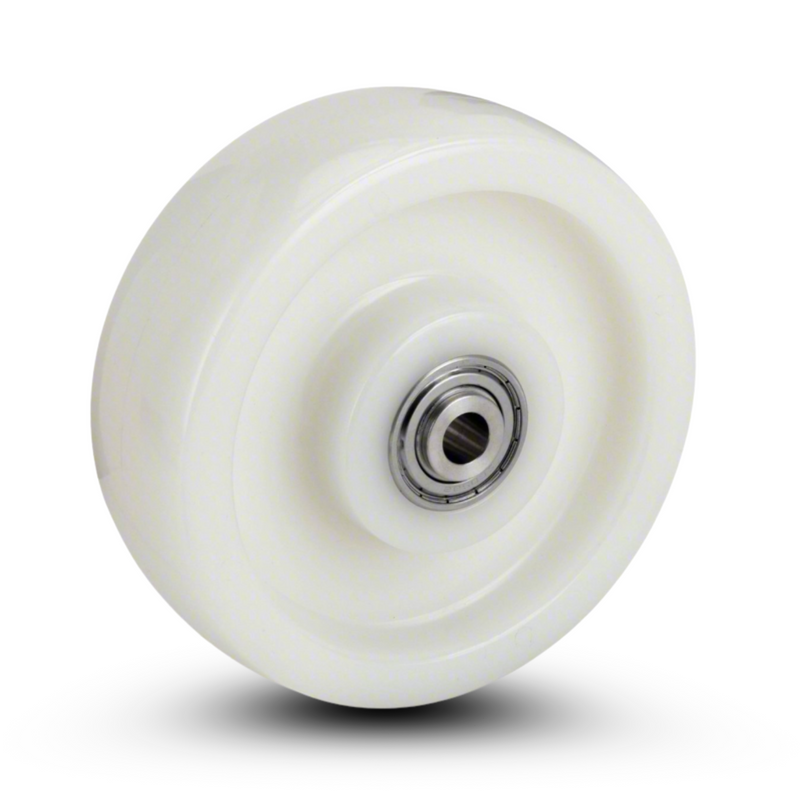
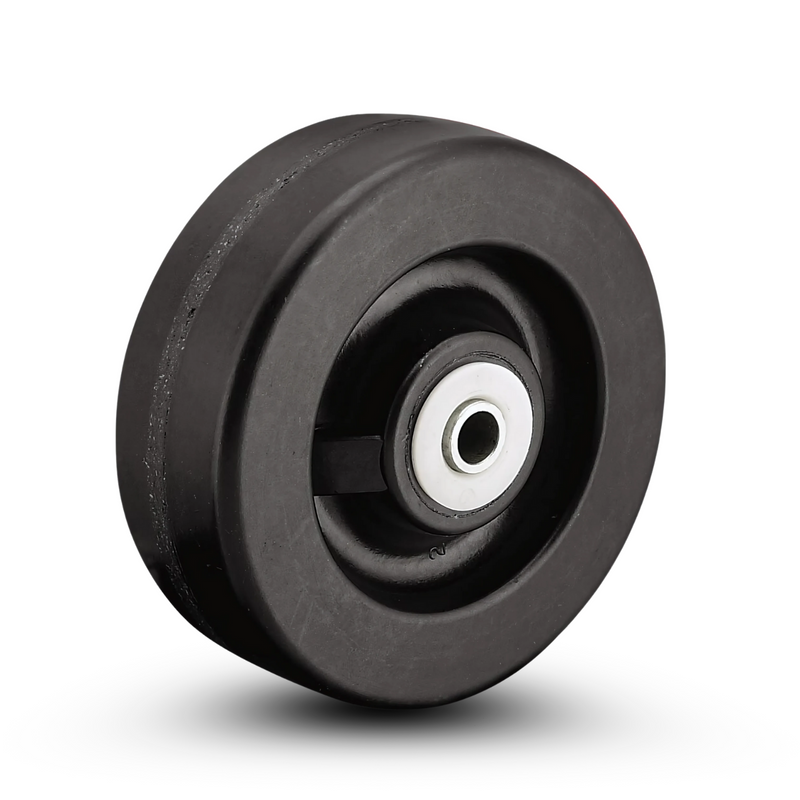
Solid polyurethane wheels are molded entirely of polyurethane — no metal core, no separate tread bonding. The simplest construction in the polyurethane family, ideal for mid-load applications (300–1,000 lb per wheel) where chemical resistance and floor protection matter more than maximum capacity. Browse the wheel sizes below, then jump to a complete caster configuration that uses solid polyurethane wheels.
Solid polyurethane is the simplest, most chemical-resistant construction — no metal core means nothing to corrode, ever. Best for chemical plants, food processing, pharmaceutical, and any environment where iron or aluminum cores would react. Trade-off is load capacity (caps at 1,000 lb per wheel) and a slightly softer ride than iron-core. Lower acquisition cost than aluminum-core options.
Pick a polyurethane caster yoke style: plate casters for industrial bolt-on, swivel casters, rigid casters, grip ring stem for office and institutional, or side-lock brake. Solid poly is the default wheel for most general industrial and institutional builds.
Resists flat-spotting better than rubber thanks to higher durometer (typically 90A–95A). After 60+ days parked under load, slight compression may occur but recovers to near-round on first roll. For equipment that sits stationary for months at a time, spec poly-on-iron instead — iron core ensures zero compression set.
How long do solid poly wheels last? 3-5 years on smooth commercial floors at 70% rated load. Less in heavy chemical exposure (1-2 years).
Build a complete caster with these? Yes — see /polyurethane-plate-casters or other configurations.
Are solid poly wheels FDA compliant? Yes, FDA-compliant formulations available for food processing.
Cost vs poly-on-iron? 15-25% cheaper at equivalent wheel size due to simpler construction.
Will they handle outdoor use? Yes for short-term; UV degrades polyurethane over 18+ months continuous outdoor exposure.
Apply this rule when sizing the caster that will use this wheel type. Divide total cart weight by 3 (not 4) because uneven floors cause one caster to temporarily lift, redistributing load to the remaining three. Multiply by 1.25 for dynamic impact (rolling onto floor seams, dock plates). Pick the wheel core type whose load range covers your per-caster requirement.
| Wheel Core | Load/Wheel | Weight | Floor Protection | Best Use |
|---|---|---|---|---|
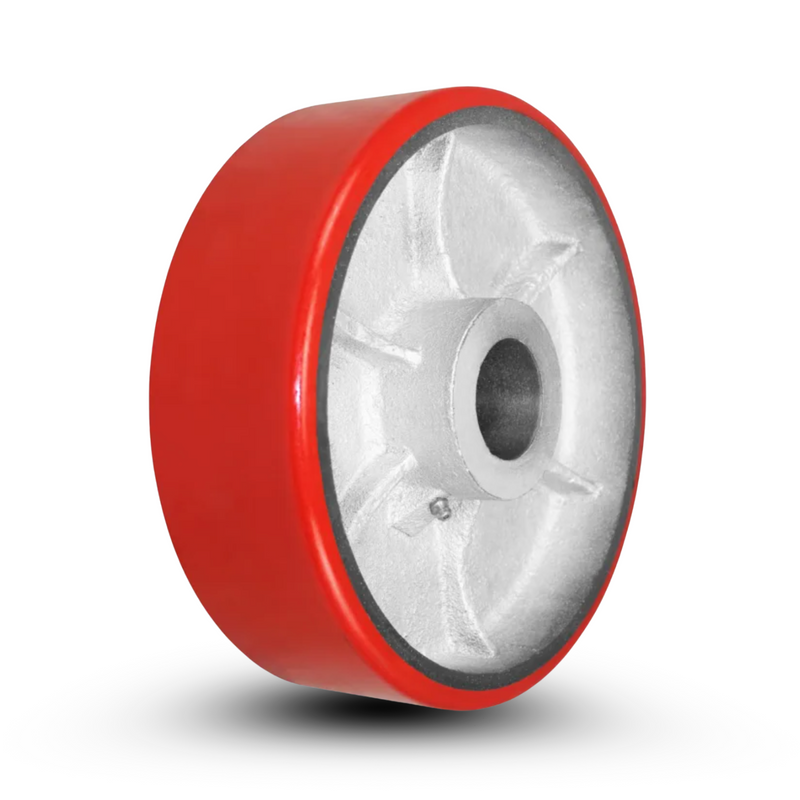
| Polyurethane on Iron | 700–8,000 lb | Heaviest | Excellent | Heavy industrial, tow lines |
| Polyurethane on Aluminum | 250–1,500 lb | Light | Excellent | Aerospace, weight-sensitive |
| Solid Polyurethane Most Popular | 300–1,000 lb | Medium | Excellent | Chemical plants, mid-load |
| Polyurethane on Polyolefin | 125–1,000 lb | Lightest | Excellent | Light-duty, chemical resistance |
Replaced 450 chemical processing cart casters with solid polyurethane wheel + plate caster combos from CasterHQ. Five years in, zero corrosion claims vs the 30+ wheel core failures we logged annually with poly-on-iron in our caustic environment. Solid poly was the right call for our chemistry.
Application engineers on staff · ISO-certified facility · 50,000+ businesses served · 100+ combined years in caster design


